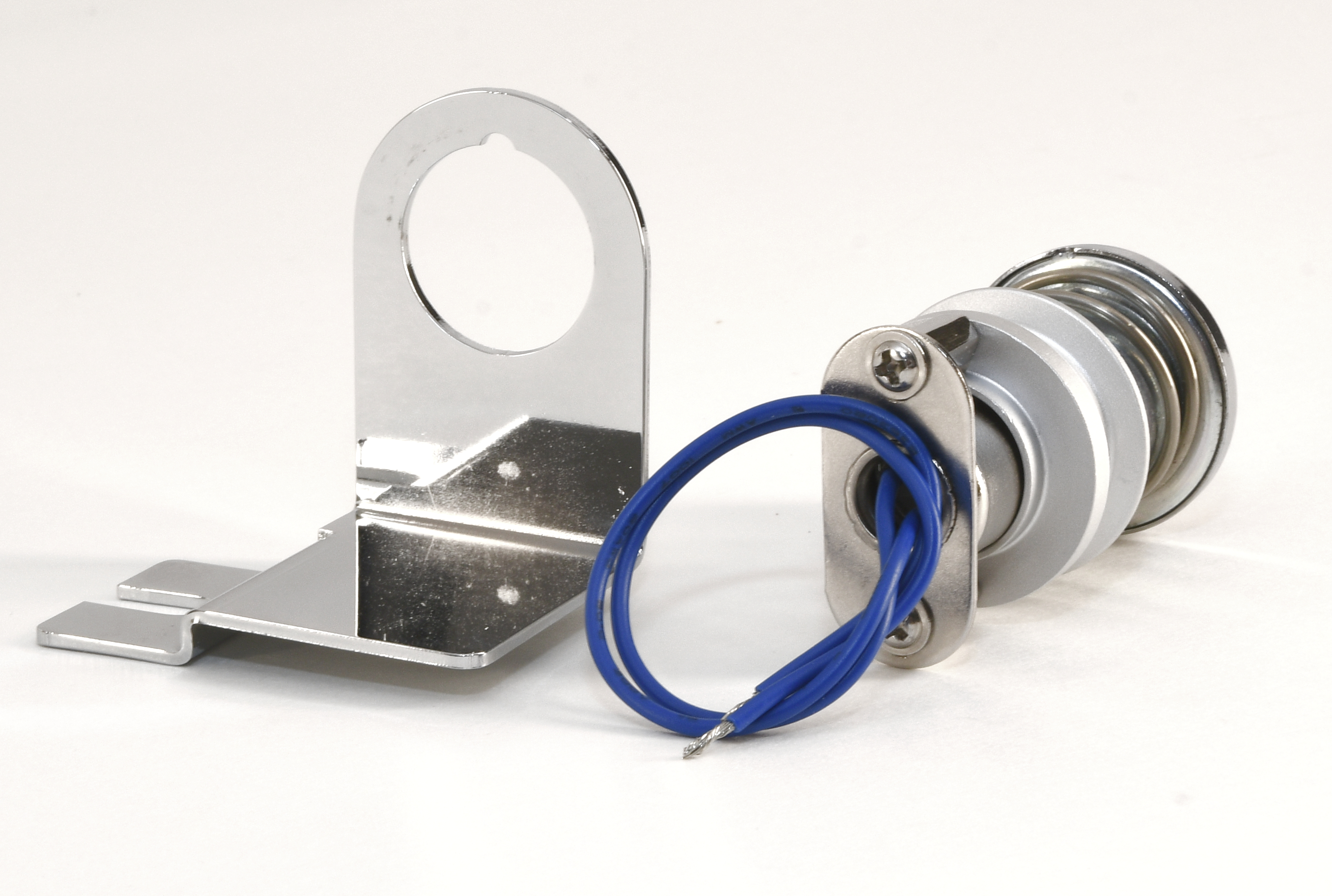
This article is provided to establish an accurate historical record of the parking brake warning light used in 1955–1957 Chevrolet passenger cars, with particular emphasis on original function, period-correct terminology, and restoration considerations
The Purpose of the 1955–1957 Chevrolet Parking Brake Warning Light
In the era of chrome dashboards and sweeping fins, safety features were simple, mechanical, and often subtle. One such feature found on select 1955–1957 Chevrolet models was the parking brake warning light—a small indicator that served a very specific and practical role.
Though modest in function, the indicator provides insight into the design priorities and driving practices of the period.
A Reminder, Not a Diagnostic System
The emergency brake warning light used in 1955, 1956, and 1957 Chevrolets was designed for one purpose only: to alert the driver that the parking (emergency) brake was applied.
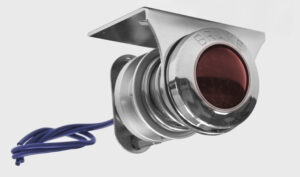
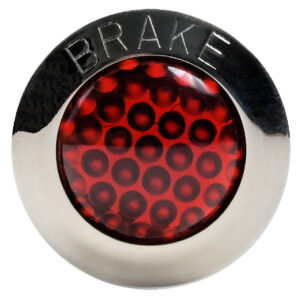
When the brake handle was engaged, a switch activated the warning light under the dashboard —commonly labeled “BRAKE.” Once the parking brake was fully released, the switch opened and the light turned off. There were no sensors, computers, or hydraulic inputs involved.
Why Chevrolet Included It
Tri-Five Chevrolets used a hand-operated parking brake, a design that made it easy for drivers to forget the brake was still set—especially after short stops or hurried departures. Driving with the emergency brake engaged could lead to:
- Overheated rear brake drums
- Premature wear or glazing of brake shoes
- Reduced fuel economy
- Noticeable loss of performance
The warning light was a preventive feature, intended to protect brake components and remind drivers before damage occurred.
How the System Worked
The system was intentionally simple and reliable, consisting of:
- A mechanical switch connected to the parking brake mechanism
- A dash or under dash indicator lamp
When the parking brake was applied, the switch completed an electrical circuit and illuminated the light. Releasing the brake broke the circuit, turning the light off. Because of this simplicity, failures were rare.
What the Light Did Not Indicate
It is important to distinguish this warning light from later brake system indicators. The Tri-Five emergency brake light did not:
- Monitor brake fluid level
- Detect hydraulic pressure loss
- Indicate brake wear
- Warn of master cylinder failure
During this period, Chevrolets were equipped with single-reservoir master cylinders, and true brake system warning lights would not become standard until the late 1960s.
Availability and Restoration Considerations
Not every 1955–1957 Chevrolet left the factory equipped with an emergency brake warning light. The feature was available as optional equipment, either specified at the time of vehicle order or included as part of an optional accessory package. In addition, the system could be installed by local dealerships as a safety-related accessory after delivery.
As a result, many restored vehicles today either lack the system entirely or display a non-functional warning light due to missing, removed, or improperly adjusted components.
A Small Feature with Lasting Significance
By modern standards, the emergency brake warning light may seem primitive. Yet it represents an early step toward improved driver awareness and automotive safety. It addressed a real-world problem with simple engineering, reinforcing Chevrolet’s focus on practicality during the Tri-Five era.
Conclusion
The parking/emergency brake warning light used in 1955–1957 Chevrolet passenger cars was a straightforward indicator designed to inform the driver that the parking brake was engaged. Though simple by modern standards, it fulfilled a specific and practical role within the technological constraints of its era. As such, it remains a small but meaningful component of mid-century automotive history.
Sometimes, the smallest features tell the clearest story of how cars and drivers were evolving.
We released these as a reproduction product so everyone could add one to their cars, as finding originals was difficult and very expensive.
Two different versions are available, one for the 55-56 and one for the 57. Check out our product section and Get yours today.